
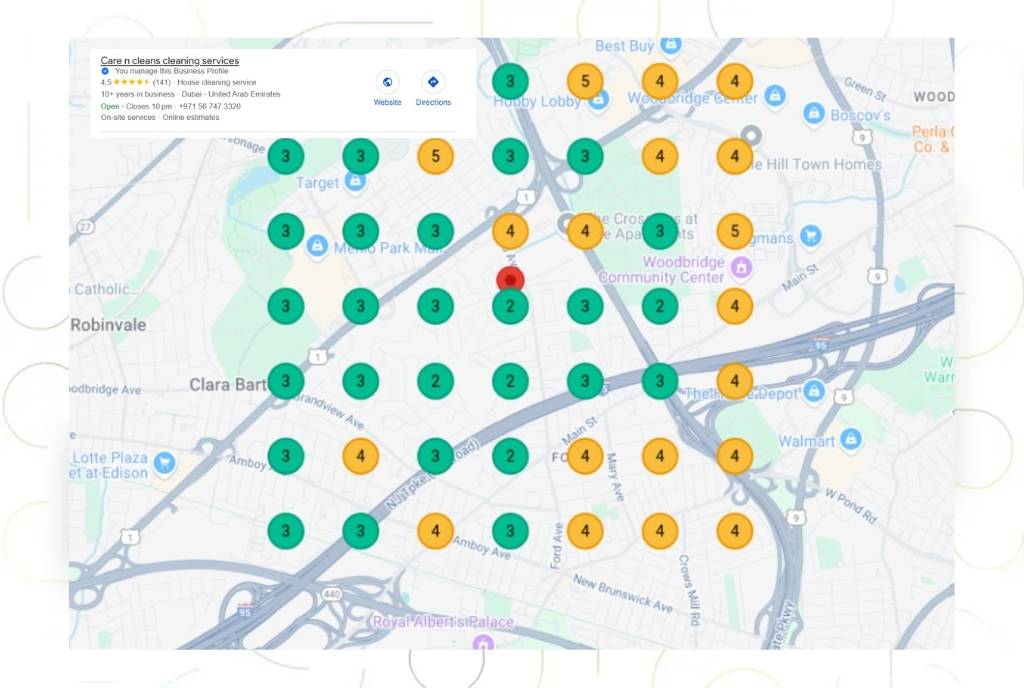
Business listings are one of the most underutilized yet powerful tools in local SEO. While many companies rush to optimize their websites, they overlook the network of directories and platforms where potential customers actively search for services. At Serpistan, we’ve helped hundreds of businesses increase their visibility through strategic listing optimization, and we’ve seen firsthand how properly managed citations can transform a company’s online presence.
In this comprehensive guide, we’ll explore everything you need to know about leveraging business listings to boost your SEO performance, drive more qualified traffic, and establish authority in your local market.
What Are Business Listings and Why They Matter for SEO
Business listings, also known as citations or directory listings, are online profiles containing essential company information such as your business name, address, phone number (NAP), website, hours of operation, and service descriptions. These profiles appear across various platforms—from major search engines to industry-specific directories.
While it’s true that directory listings alone won’t catapult you to the top of Google’s organic rankings, they serve three critical functions that directly impact your SEO success:
1. Local Search Visibility Enhancement
Search engines use business listings to verify and validate your company’s information. Consistent NAP data across multiple reputable sources signals to Google that your business is legitimate and trustworthy. This validation is particularly crucial for local search rankings, where Google prioritizes businesses with verified, accurate information.
2. Multi-Channel Customer Discovery
Potential customers don’t only use Google. They search on Bing, browse Yelp for reviews, check the Better Business Bureau for credibility, and explore industry-specific directories. Each listing creates an additional touchpoint where customers can discover your business.
3. Authority and Trust Building
Presence on authoritative platforms like BBB, industry associations, and verified directories builds credibility. These listings serve as third-party endorsements of your business’s legitimacy, which influences both search engine algorithms and consumer decision-making.
The Real Impact: Beyond Direct Rankings
Here’s what most SEO guides miss: business listings create a compounding effect on your overall digital presence. When someone finds your business on Yelp, clicks through to your website, and eventually converts, Google notices that engagement. Sites with higher engagement rates and diverse traffic sources tend to perform better in search results.
Additionally, many directory sites have high domain authority. When your business appears on these platforms with accurate information and links back to your website, you benefit from their established credibility. While these aren’t traditional backlinks, they contribute to your overall citation profile—a critical local SEO ranking factor.
Understanding Directory Sites: Types and Purposes
Not all directory sites serve the same purpose. Understanding the different categories helps you prioritize where to invest your time and resources.
General Business Directories
These platforms list businesses across all industries and locations. Examples include Google Business Profile, Bing Places, Yelp, and Yellow Pages. They’re essential for every business regardless of industry because they capture broad search intent.
Industry-Specific Directories
Specialized directories focus on particular sectors such as legal services (Avvo), healthcare (Healthgrades), home services (Angie’s List), or real estate (Zillow). These platforms attract highly qualified leads already interested in your specific industry.
Local Chamber and Association Directories
Local chambers of commerce, business improvement districts, and professional associations often maintain online member directories. These listings not only provide SEO value but also build community connections and local credibility.
Review Platforms
Sites like TripAdvisor, Trustpilot, and G2 primarily focus on customer reviews but also function as directories. They’re particularly valuable because they directly influence purchase decisions and can drive significant referral traffic.
Strategic Listing Optimization: The Serpistan Approach
After managing thousands of business listings for clients across Pakistan, the USA, and beyond, we’ve developed a systematic approach that maximizes results while minimizing wasted effort.
Step 1: Audit Your Current Listing Presence
Before adding new listings, understand what already exists. Search for your business name combined with your city, check major platforms, and use tools like Moz Local or BrightLocal to discover existing citations. You might be surprised to find listings you didn’t create—often with incorrect information.
Step 2: Standardize Your NAP Information
Consistency is paramount. Decide on the exact format for your business name, address, and phone number, then use it identically across all platforms. Small variations like “Street” vs. “St.” or including/excluding suite numbers can confuse search engines and dilute your citation impact.
Example standardization:
- Business Name: Serpistan Digital Marketing Agency (not “Serpistan” or “Serpistan – SEO Agency”)
- Address: 42/E, Lane 6, Cavalry Ground, Gulberg III, Lahore, 54560, Pakistan
- Phone: +92 327 1546544
Step 3: Prioritize High-Impact Listings
Focus first on platforms where your customers actually search. For most businesses, this means starting with Google Business Profile, then expanding to Bing Places, Yelp, and industry-specific directories relevant to your niche.
Step 4: Optimize Each Profile Completely
Don’t just claim listings—maximize them. Complete every available field, add high-quality photos, select accurate categories, write compelling descriptions, and include your website URL. Incomplete profiles signal low engagement and miss opportunities to convert viewers into customers.
Step 5: Maintain and Monitor
Listings aren’t “set and forget.” Regularly update information when business details change, respond to reviews, add new photos, and monitor for accuracy. Google particularly favors businesses that actively maintain their profiles.
The Essential Directory Platforms: A Deep Dive
While you should eventually aim for presence across dozens of relevant platforms, these core directories deliver the highest ROI for most businesses.
Google Business Profile: Your Most Critical Listing
Google Business Profile (formerly Google My Business) isn’t technically a directory, but it’s unquestionably your most important online listing. When someone searches for services in your area, Google’s Local Pack (the map with three business listings) appears prominently at the top of search results—often before any organic listings.
Why Google Business Profile is crucial:
- Appears directly in Google search results and Google Maps
- Influences local pack rankings (being in the top three can dramatically increase traffic)
- Provides valuable features like posts, Q&A, messaging, and booking
- Displays reviews prominently, influencing click-through decisions
- Offers insights on how customers find and interact with your listing
Optimization best practices:
- Choose the most specific primary category for your business
- Add all applicable secondary categories
- Upload at least 10 high-quality photos showing your location, team, and work
- Create regular posts (weekly or bi-weekly) to signal active management
- Respond to every review, positive and negative
- Enable messaging to facilitate direct customer contact
- Add products or services with descriptions and prices
- Include frequently asked questions with detailed answers
Getting started: Visit google.com/business and click “Manage Now” to claim or create your profile. You’ll need to verify ownership through a postcard, phone call, or email depending on your business type.
Bing Places: The Search Engine Everyone Forgets
Microsoft’s Bing might not command Google’s market share, but dismissing it means ignoring a significant audience. Bing processes over 12 billion searches monthly and serves as the default search engine for Microsoft Edge users. Additionally, Bing powers Yahoo Search, effectively expanding its reach.
Why Bing Places matters:
- Less competition means easier ranking in local results
- Integrates with Microsoft products and services
- Attracts a different demographic than Google
- Voice search through Cortana uses Bing data
- Free and relatively quick to set up
Optimization tips:
- Import your Google Business Profile data to save time
- Add rich media including photos and videos
- Keep hours accurate and update for holidays
- Link your social media accounts
- Monitor and respond to customer reviews
Getting started: Visit bingplaces.com and click “Get Started” to create your free listing.
Yelp: Where Reviews Drive Discovery
Yelp processes millions of searches daily from users actively looking for local businesses. While it’s particularly dominant in industries like restaurants, healthcare, and home services, nearly every business can benefit from a Yelp presence.
The Yelp advantage:
- High user engagement and strong purchase intent
- Detailed review ecosystem influences decisions
- Mobile app integration captures on-the-go searches
- Yelp Deals and promotional features
- High domain authority contributes to overall citation strength
Critical success factors:
- Never incentivize reviews: Yelp’s algorithm filters potentially biased reviews. Instead, focus on delivering excellent service and making it easy for happy customers to leave feedback organically.
- Respond professionally: Address negative reviews calmly and constructively. Potential customers read your responses to gauge how you handle problems.
- Complete your profile thoroughly: Add photos, hours, services, amenities, and all available details.
- Stay active: Update your profile regularly and respond quickly to customer messages.
Getting started: Visit biz.yelp.com/claim to locate and claim your business listing.
Better Business Bureau: The Trust Builder
The BBB isn’t just a directory—it’s a credibility certification. When customers want to verify a business’s trustworthiness, they often check BBB ratings. An accredited BBB listing with a strong rating can significantly influence purchase decisions, particularly for higher-ticket items or services.
BBB benefits:
- Recognized symbol of business credibility
- Often appears in search results for brand searches
- Can display BBB seal on your website
- Complaint resolution service builds customer confidence
- Especially valuable for industries where trust is paramount
Important considerations:
- BBB accreditation requires annual fees (varies by location)
- Maintaining an A+ rating requires actively addressing complaints
- Even without accreditation, you can have a free BBB listing
Getting started: Visit bbb.org/get-accredited to begin the accreditation process, or search for your business to claim an existing profile.
Yellow Pages: The Digital Evolution of a Classic
Yellow Pages successfully transitioned from phone books to a robust online platform. While younger consumers might not think of Yellow Pages first, it maintains significant monthly traffic and remains particularly effective for service-based businesses.
Why Yellow Pages still works:
- High domain authority benefits your citation profile
- Attracts older demographics who trust the brand
- Mobile-optimized search experience
- Integration with local search results
- Regular content updates drive fresh traffic
Optimization approach:
- Claim and verify your listing
- Add detailed service descriptions
- Include multiple contact methods
- Upload photos of your work or location
- Respond to customer reviews
- Consider enhanced listings if budget allows
Getting started: Visit yellowpages.com and search for your business to claim your listing.
Beyond the Big Five: Expanding Your Directory Presence
Once you’ve established and optimized your core listings, expand strategically to industry-specific and local directories.
Industry-Specific Directories Worth Pursuing
For Home Services:
- Angie’s List (now Angi)
- HomeAdvisor
- Thumbtack
- Houzz (remodeling and design)
For Healthcare:
- Healthgrades
- Vitals
- WebMD Physician Directory
- Zocdoc
For Legal Services:
- Avvo
- FindLaw
- Justia
- Martindale-Hubbell
For Real Estate:
- Zillow
- Realtor.com
- Trulia
- Redfin
For Restaurants:
- OpenTable
- TripAdvisor
- Zomato
- DoorDash/Uber Eats
For B2B Services:
- Clutch
- UpCity
- GoodFirms
- Expertise.com
Local and Regional Directories
Don’t overlook local chambers of commerce, city-specific business directories, regional tourism sites, and community portals. These platforms might have lower traffic than national directories, but they deliver highly targeted local visibility and often carry significant weight for local SEO.
Social Platforms as Directories
Facebook, Instagram, LinkedIn, and even Pinterest function as business directories. Optimize your social profiles with complete business information, consistent NAP data, and links to your website.
Managing Citations at Scale: Tools and Processes
Manually managing dozens or hundreds of listings becomes impractical as you scale. Consider these approaches:
Citation Management Tools
- Moz Local: Automatically distributes your information to major directories and monitors accuracy
- BrightLocal: Comprehensive citation tracking and management with regular audits
- Yext: Enterprise-level citation management with real-time updates
- Whitespark: Citation building services and tools for local SEO
White Label Solutions
At Serpistan, we offer white label citation management for agencies and businesses who want expert handling without internal overhead. We audit existing listings, create new citations on relevant platforms, maintain consistency, monitor for changes, and provide detailed reporting—all under your brand.
Common Listing Mistakes That Hurt Your SEO
Avoid these frequent errors that undermine your listing strategy:
1. Inconsistent NAP Information
Even small variations confuse search engines. “Street” vs. “St.” or using different phone number formats creates separate citation clusters instead of reinforcing a single, strong signal.
2. Duplicate Listings
Multiple listings for the same business on the same platform dilute authority and can trigger penalties. Regularly audit for duplicates and work to merge or remove them.
3. Incomplete Profiles
Partially completed listings signal low engagement and miss conversion opportunities. If a platform offers a field, fill it out completely and accurately.
4. Neglecting Reviews
Ignoring reviews—especially negative ones—damages both your reputation and search visibility. Actively manage review acquisition and response.
5. Outdated Information
Nothing frustrates customers more than calling a disconnected number or visiting during listed hours only to find you closed. Keep information current.
6. Using P.O. Boxes
Google and most directories require physical business addresses. P.O. boxes won’t help local SEO and may get your listing suspended.
7. Wrong Categories
Choosing incorrect or overly broad categories reduces your visibility for relevant searches. Be specific and accurate in category selection.
Advanced Listing Strategies for Maximum Impact
Once you’ve mastered the basics, implement these advanced tactics:
Geo-Targeted Landing Pages
Create location-specific pages on your website for each service area, then link to these from your directory listings. This strengthens local relevance signals.
Review Generation System
Develop a systematic approach to earning reviews. After successful service delivery, send follow-up emails with direct review links. Make the process as friction-free as possible.
Listing Content Optimization
Use keyword-rich descriptions naturally. Don’t stuff keywords, but incorporate relevant terms customers actually search for when describing your services.
Visual Content Strategy
Regularly update listings with fresh photos showing your team, completed projects, facility, or products. Visual content increases engagement and conversion rates.
Structured Data Markup
Implement LocalBusiness schema on your website to reinforce the information in your listings. This helps search engines connect your website to your directory presence.
Measuring Listing Performance: Key Metrics
Track these metrics to evaluate your listing strategy’s effectiveness:
Traffic Metrics
- Listing views (impressions)
- Website clicks from listings
- Driving directions requests
- Phone calls from listings
Engagement Metrics
- Average review rating
- Total number of reviews
- Review acquisition rate
- Response rate to reviews
Conversion Metrics
- Leads generated from listings
- Conversion rate from listing traffic
- Customer acquisition cost from directory traffic
- Revenue attributed to listing-driven customers
Ranking Metrics
- Local pack ranking positions
- Organic ranking improvements for local keywords
- Voice search result appearances
Most platforms provide built-in analytics. Google Business Profile offers particularly detailed insights. Regular monitoring helps you identify which listings deliver ROI and where to focus improvement efforts.
Industry-Specific Listing Strategies
Different industries require tailored approaches:
E-Commerce Businesses
Focus on platforms like Google Shopping, Facebook Marketplace, and industry-specific marketplaces. Ensure product feeds are optimized and regularly updated.
Service Area Businesses (SABs)
If you serve customers at their location rather than at a physical storefront, configure Google Business Profile as a Service Area Business. List all service areas without showing a public address.
Multi-Location Businesses
Create individual listings for each location with unique content, photos, and local contact information. Avoid templated descriptions across all locations.
Franchise Businesses
Implement enterprise-level citation management to maintain consistency across all franchise locations while allowing local customization.
The Future of Business Listings and Local SEO
Directory listings continue evolving with emerging technologies and changing consumer behavior:
Voice Search Optimization
As voice assistants become ubiquitous, listings need to answer conversational queries. Focus on natural language in descriptions and anticipate question-based searches.
AI-Powered Search
Google’s AI features increasingly pull information from verified business listings. Accurate, comprehensive listings help your business appear in AI-generated responses.
Visual Search
Image-based search grows in importance. High-quality photos in your listings help you appear in visual search results.
Hyper-Local Targeting
Search engines continually refine local search to provide increasingly precise results. Detailed service area information and hyper-local content become more valuable.
Getting Started: Your 30-Day Listing Optimization Plan
Transform your directory presence in one month with this structured approach:
Week 1: Audit and Standardize
- Conduct comprehensive listing audit
- Document all existing citations
- Standardize NAP information
- Identify duplicate listings
Week 2: Claim and Optimize Core Listings
- Claim Google Business Profile
- Optimize Bing Places
- Set up Yelp profile
- Create BBB listing
- Establish Yellow Pages presence
Week 3: Expand to Industry Directories
- Research relevant industry-specific directories
- Create 5-10 additional quality listings
- Upload photos and complete all available fields
- Implement review request system
Week 4: Monitor and Refine
- Set up tracking for key metrics
- Respond to any new reviews
- Correct any remaining NAP inconsistencies
- Plan ongoing maintenance schedule
Why Professional Management Makes Sense
While you can manage business listings yourself, many companies find professional management delivers better ROI:
Time savings: Hours spent manually updating dozens of listings can be redirected to core business activities.
Expertise: Professionals understand platform-specific optimization tactics and stay current with algorithm changes.
Scale: Agencies can manage listings across hundreds of locations efficiently.
Monitoring: Continuous oversight catches issues quickly before they impact rankings.
Reporting: Professional services provide analytics that demonstrate ROI.
At Serpistan, our white label citation management service handles everything from initial audits to ongoing optimization. We’ve helped businesses across Pakistan, the USA, and internationally establish powerful directory presences that drive measurable results.
Final Thoughts: Building a Foundation for Long-Term Success
Business listings might not be the most glamorous aspect of SEO, but they’re foundational. Think of them as the infrastructure supporting your entire local SEO strategy. Without accurate, optimized listings across relevant platforms, your other SEO efforts work harder for fewer results.
The beauty of directory optimization is that it delivers compounding benefits. Each listing strengthens your overall citation profile. Each positive review builds credibility. Each accurate NAP citation reinforces trust signals to search engines. Over time, this creates a powerful competitive advantage that’s difficult for competitors to replicate.
Start with the essentials—Google Business Profile, Bing Places, Yelp, BBB, and Yellow Pages. Perfect those listings before expanding. Focus on accuracy, completeness, and consistency. Actively manage reviews and keep information current. Then gradually expand to industry-specific and local directories that make sense for your business.
The businesses that succeed with directory listings treat them as ongoing relationship-building opportunities rather than one-time tasks. They understand that every listing is a chance to make a positive impression on a potential customer who’s actively searching for solutions they provide.
Ready to Dominate Your Local Market?
At Serpistan, we’ve helped hundreds of businesses transform their online visibility through strategic listing optimization. Our white label digital marketing services include comprehensive citation management, review generation, and ongoing optimization—all delivered under your brand.
Whether you’re a small local business looking to increase neighborhood visibility or an agency needing white label fulfillment for clients, we provide the expertise and execution that drives results.
Get in touch today:
- Pakistan: +92 327 1546544
- USA: +1 (807) 770-5455
- Email: info@serpistan.com
Let’s build a directory presence that puts you ahead of the competition and drives qualified leads to your business.
Frequently Asked Questions
How long does it take to see results from business listings? Most businesses notice improved local search visibility within 2-4 weeks of optimizing core listings. Full impact typically builds over 2-3 months as search engines index and validate your citations.
Do I need paid directory listings? Start with free listings on major platforms. Consider paid enhanced listings only after maximizing free options and if analytics show specific directories drive significant qualified traffic.
How many business listings do I need? Quality trumps quantity. Start with 10-15 high-quality, relevant listings. Most businesses benefit from 30-50 strategic listings rather than hundreds of low-value citations.
Can incorrect listings hurt my SEO? Yes. Inconsistent NAP information confuses search engines and dilutes your citation strength. Duplicate listings with different information can trigger penalties. Regular audits and cleanup are essential.
Should I respond to negative reviews? Always respond professionally to negative reviews. Your response demonstrates customer service to potential clients reading reviews. Address concerns constructively and offer to resolve issues offline.
What’s the difference between citations and backlinks? Citations mention your business name, address, and phone number but may not include a clickable link. Backlinks are clickable links from other sites to yours. Both contribute to SEO but function differently.
How often should I update my listings? Review quarterly at minimum. Update immediately when business information changes. Add fresh photos monthly if possible, and respond to reviews within 48 hours.
Can I use the same description for all my listings? While core information should remain consistent, customize descriptions for each platform when possible. This avoids duplicate content issues and allows platform-specific optimization.